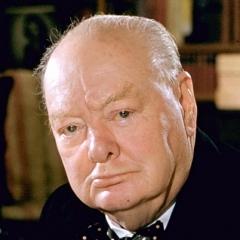
Churchill & England: The Fall of Giants During WWI's Turmoil
The early 20th century cast a long, ominous shadow over Europe, culminating in the unprecedented horror of the First World War. For a nation like England, a global empire at its zenith, this period was not merely a conflict but a profound crucible that reshaped its very identity. Within this maelstrom, figures who once stood as pillars of power and influence, often described as "giants," faced monumental challenges and, in some cases, significant falls. Among them, Winston Churchill's early career serves as a compelling testament to the tumultuous journey of England and its leading figures during these transformative years, exemplifying the era of
gigantes inglaterra quedas – the fall of giants in England. This article delves into how WWI fundamentally altered Britain, through the lens of its iconic statesman and the broader societal shifts, drawing inspiration from sweeping historical narratives that capture the essence of this epoch.
The Edwardian Colossus: England on the Brink of Change
Before the guns of August 1914 shattered the fragile peace, Great Britain was an undisputed global superpower. The Edwardian era, following Queen Victoria's long reign, was characterized by immense wealth, imperial might, and a rigid social hierarchy. The British Empire spanned a quarter of the globe, and its navy ruled the seas. London was the financial capital of the world, and British industry set global standards. Yet, beneath this glittering façade, social and political tensions simmered. The rise of industrial labor, the fervent demands of the suffragettes for women's voting rights, and the escalating Home Rule crisis in Ireland all hinted at a society ripe for upheaval. The "giants" of this era were not just political leaders but also the established institutions and traditions that had governed Britain for centuries. These were the structures that would face an unprecedented test, and for many, a dramatic downfall, setting the stage for the literal and metaphorical
gigantes inglaterra quedas that defined the war years. Understanding this pre-war context is crucial to appreciating the magnitude of the changes that followed.
Churchill's Early Ordeal: A Giant Under Fire During WWI
Winston Churchill, a dynamic and ambitious young politician, found himself at the heart of the storm as First Lord of the Admiralty when war broke out. His early career was marked by a relentless drive for innovation and a deep understanding of naval power. However, his association with the disastrous Gallipoli Campaign in 1915 led to a profound personal and political setback. Intended as a bold stroke to knock the Ottoman Empire out of the war and open a supply route to Russia, the campaign instead became a prolonged and bloody stalemate, resulting in immense Allied casualties.
Churchill, once a rising star, was blamed for the catastrophe. His political career seemed to be in ruins. He resigned from the cabinet and, in a characteristic display of courage and determination, went to serve on the Western Front, commanding a battalion in the trenches. This period of personal adversity for Churchill perfectly encapsulates the broader theme of
gigantes inglaterra quedas – a powerful figure experiencing a significant fall from grace. It was a humbling experience, yet one that forged his character and offered invaluable insights into the realities of modern warfare and the complexities of command. He learned resilience, patience, and the bitter taste of public condemnation, lessons that would profoundly shape his leadership during World War II decades later. Historical fact: The Gallipoli Campaign resulted in over 250,000 Allied casualties, highlighting the brutal cost of strategic miscalculation.
Societal Upheaval: The Fall of Old Orders in England
Beyond individual figures, WWI triggered a seismic shift in the very fabric of British society, leading to the collective fall of many long-standing "giants." The enormous human cost of the war, with nearly a million British lives lost, created an immense demographic and emotional void. The traditional aristocracy, whose sons had disproportionately volunteered for the military and suffered heavy casualties, saw its influence wane. The vast numbers of men at the front meant women had to step into roles traditionally reserved for men, working in factories, transport, and administration. This pivotal contribution irrevocably altered societal expectations and provided undeniable momentum for the women's suffrage movement, leading to voting rights for many women shortly after the war.
The war also exposed deep-seated class divisions and fueled the rise of the Labour Party, challenging the dominance of the Liberals and Conservatives. The psychological trauma of the "lost generation" and the questioning of established authority figures led to a profound cultural introspection. England, the proud imperial power, emerged from the war victorious but profoundly changed, its confidence shaken, and its social structures irrevocably altered. This era truly embodied the theme of
gigantes inglaterra quedas, as old societal norms, class systems, and political paradigms underwent a fundamental re-evaluation and, in many cases, a dramatic decline. To further explore this societal transformation, consider diving into primary sources from the period, such as letters from soldiers or diaries of women on the home front.
Ken Follett's Lens: Weaving England's Downfalls into Narrative
The intricate tapestry of England's wartime experience, its individual "giants," and the broader societal transformations, is magnificently captured in literary works like Ken Follett's "The Fall of Giants." This acclaimed historical novel, the first volume of "The Century Trilogy," masterfully interweaves the lives of five families – American, German, Russian, Welsh, and English – as their destinies collide amidst the tumult of WWI, the Russian Revolution, and the women's suffrage movement.
Follett's genius lies in his ability to populate his sweeping narrative with both fictional characters and real historical figures, including Winston Churchill, Lenin, and Trotsky. Through the experiences of his English and Welsh families, we witness firsthand the class struggles, the horrors of the trenches, the fierce battle for women's votes, and the profound personal sacrifices demanded by the war. The novel vividly illustrates how the lives of ordinary people, as well as those in power, were utterly transformed. It provides a human face to the grand historical events, showing how decisions made in distant war rooms rippled through every aspect of daily life.
By presenting these intertwined stories, Follett's work offers an exceptional reconstruction of the era's mentalities and challenges, making the abstract concept of
gigantes inglaterra quedas tangible and relatable. The novel allows readers to emotionally connect with the "downfalls" of individuals, the erosion of class privilege, and the painful birth of a new social order. If you're keen to understand the personal impact of these historical events, exploring Ken Follett's Giants: Unpacking England's WWI Downfalls offers a superb fictional yet historically rich perspective. For a deeper dive into how this period shaped the nation, you might also find insight in The Fall of Giants: England's Tumultuous Era in Follett's Saga. These resources complement each other by offering both a macro and micro view of England's challenging journey through the First World War.
In conclusion, the First World War represented a brutal, transformative period for England, marking not just a military struggle but a profound societal and political upheaval. Figures like Winston Churchill, though destined for future greatness, faced significant personal "falls" and learning experiences during this time. More broadly, the old order of the British Empire, its rigid class structures, and traditional gender roles all underwent dramatic shifts. This era truly embodied the "fall of giants" – a time when both individuals and entrenched institutions in England were challenged, reshaped, and often diminished by the relentless forces of war and progress. The lessons learned from this period of turmoil continue to resonate, reminding us of the fragility of power and the enduring human capacity for resilience in the face of profound change.